


This is the third installment in my new podcast series, How Airlines Become Data Driven, where I’m sharing practical lessons from more than five years of working with airline ecommerce, digital marketing and analytics teams.
The series follows a simple progression.
In the first episode, we stepped back and looked at the bigger picture. Becoming data driven isn’t really about dashboards, AI or the latest technology. It’s about building the right habits, routines and ways of working as a team.
The second episode focused on what I believe is the first essential habit: making sure we can actually trust our data. Before analysing performance or optimising campaigns, we first need confidence that the numbers we’re looking at are reliable.
This third episode takes the next logical step.
Once we trust our data, how do we actually use it?
Over the years, I’ve developed a simple consulting workflow that I now use in almost every airline digital marketing project. We start by consolidating data from multiple sources into one joined view, then analyse it using a top-down approach that keeps the bigger picture in mind before drilling down into individual channels, campaigns and markets.
The podcast focuses on the methodology, while this companion article expands it with practical examples, reporting frameworks and real airline use cases. I’ll show examples of top-down reporting, explain why external datasets such as airline capacity are often critical for interpreting marketing performance, and share several real consulting examples that illustrate why connecting the dots leads to better decisions.
Listen to the latest episode of the Diggintravel Podcast and the third installment of the How Airlines Become Data Driven series. In this episode, we move from trusted data to practical analysis, exploring a consulting workflow for consolidating airline data, building one joined view of digital performance, and analysing it using a top-down approach. Or, read on for the key takeaways, reporting frameworks and additional real-world airline examples.
And don’t forget to subscribe to the Diggintravel Podcast in your preferred podcast app to stay on top of the latest airline UX, digital strategy, marketing, data science and AI trends!
Over the years, I’ve refined a simple consulting workflow that I now use in almost every airline marketing analytics project. The goal is straightforward: move from disconnected data and reports to one joined view of airline performance, then analyse it systematically before making decisions.
The framework consists of six simple steps:
The infographic below summarises the framework I use as the foundation for my weekly airline performance analysis and consulting projects.
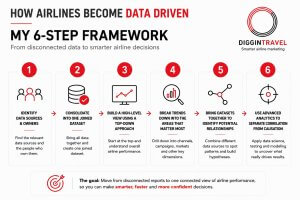
For a detailed explanation of each step and the thinking behind this methodology, make sure to listen to the full podcast episode. Then continue with the examples below, where I expand on the framework with real reporting examples.
In the podcast, I walk through each step of the framework and explain how they fit together into a practical workflow for airline marketing analytics. In this companion article, I’d like to build on that discussion by sharing additional real-world examples from consulting projects and illustrating how this methodology can be applied to answer common airline marketing questions.
Rather than looking at individual reports or channels in isolation, the goal is to connect the right datasets, analyse performance from the top down, and gradually drill into the details until the underlying drivers become clear.
Let’s look at a few examples.
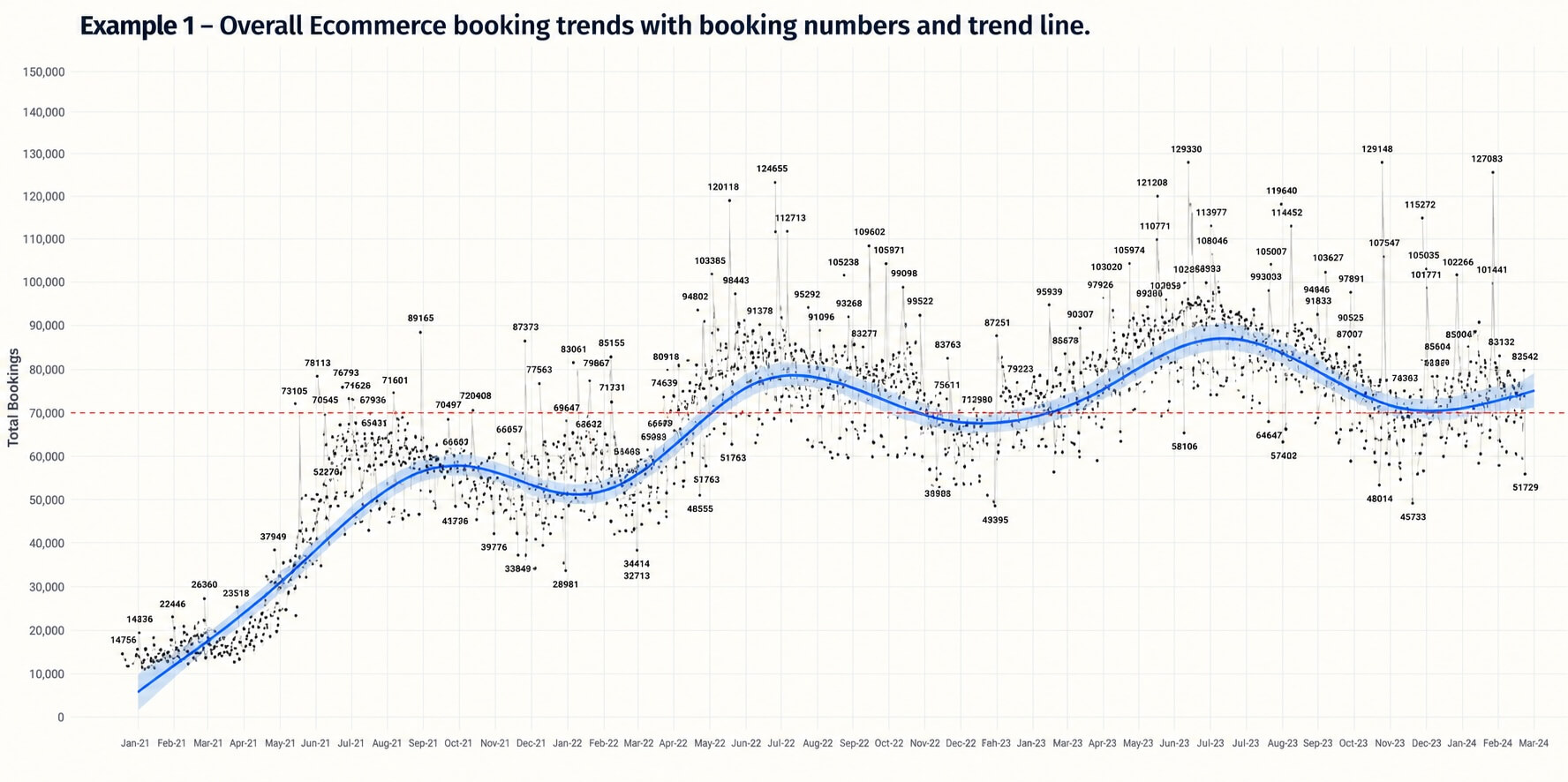
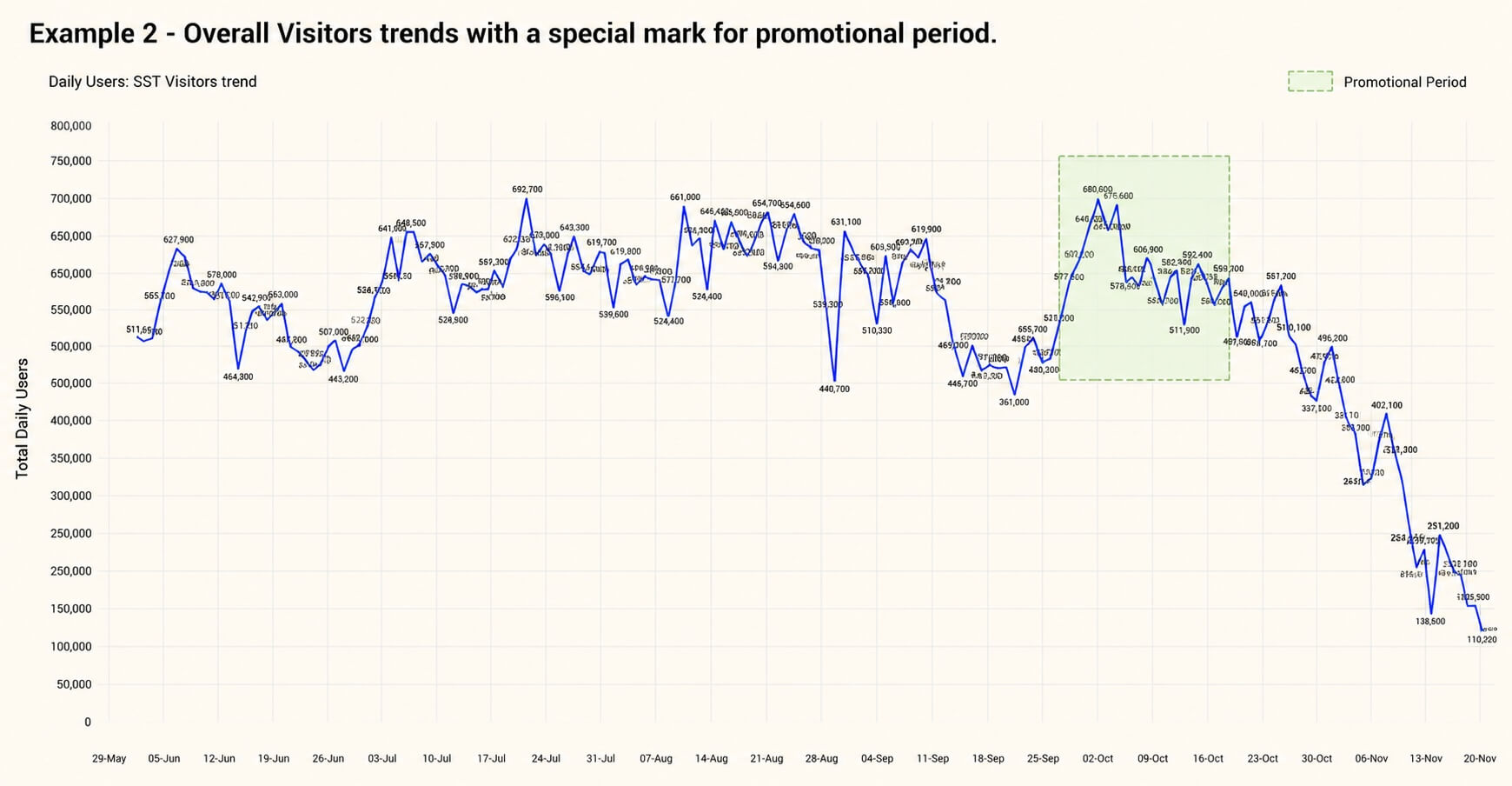
Step 3 of the framework is about building a high-level view of airline performance before diving into individual marketing channels, campaigns, or markets. I typically begin by reviewing the most important business and marketing KPIs to quickly understand what is happening across the business.
The examples below show the kind of metrics I usually start with: booking trends, website sessions and users, flight search demand, look-to-book ratios, and overall digital advertising spend. Only after understanding these high-level trends do I drill deeper into the underlying drivers behind the numbers.
This approach helps keep the bigger picture in focus, reducing the risk of paralysis by analysis and missing important trends by starting the analysis at the bottom.
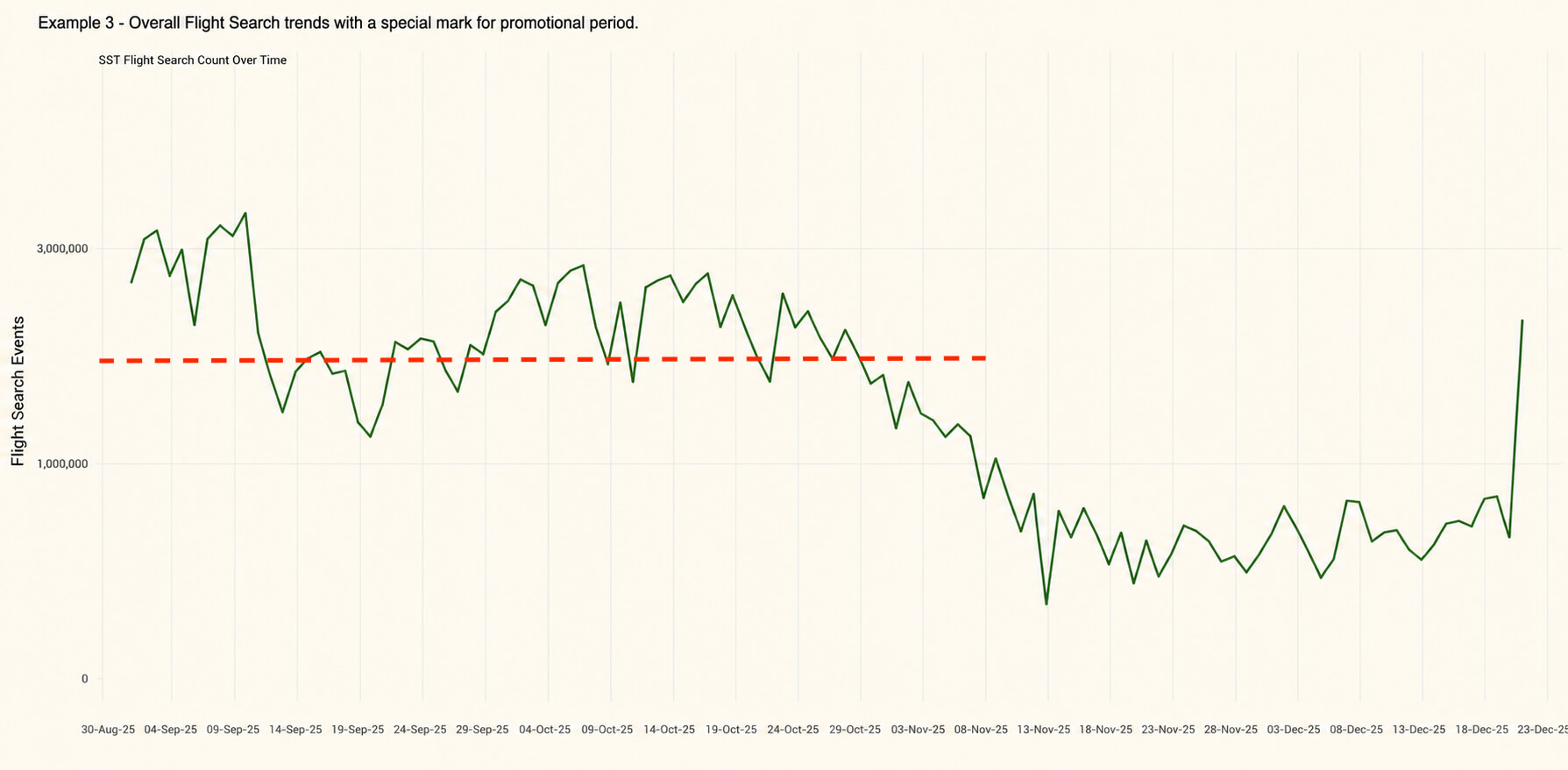
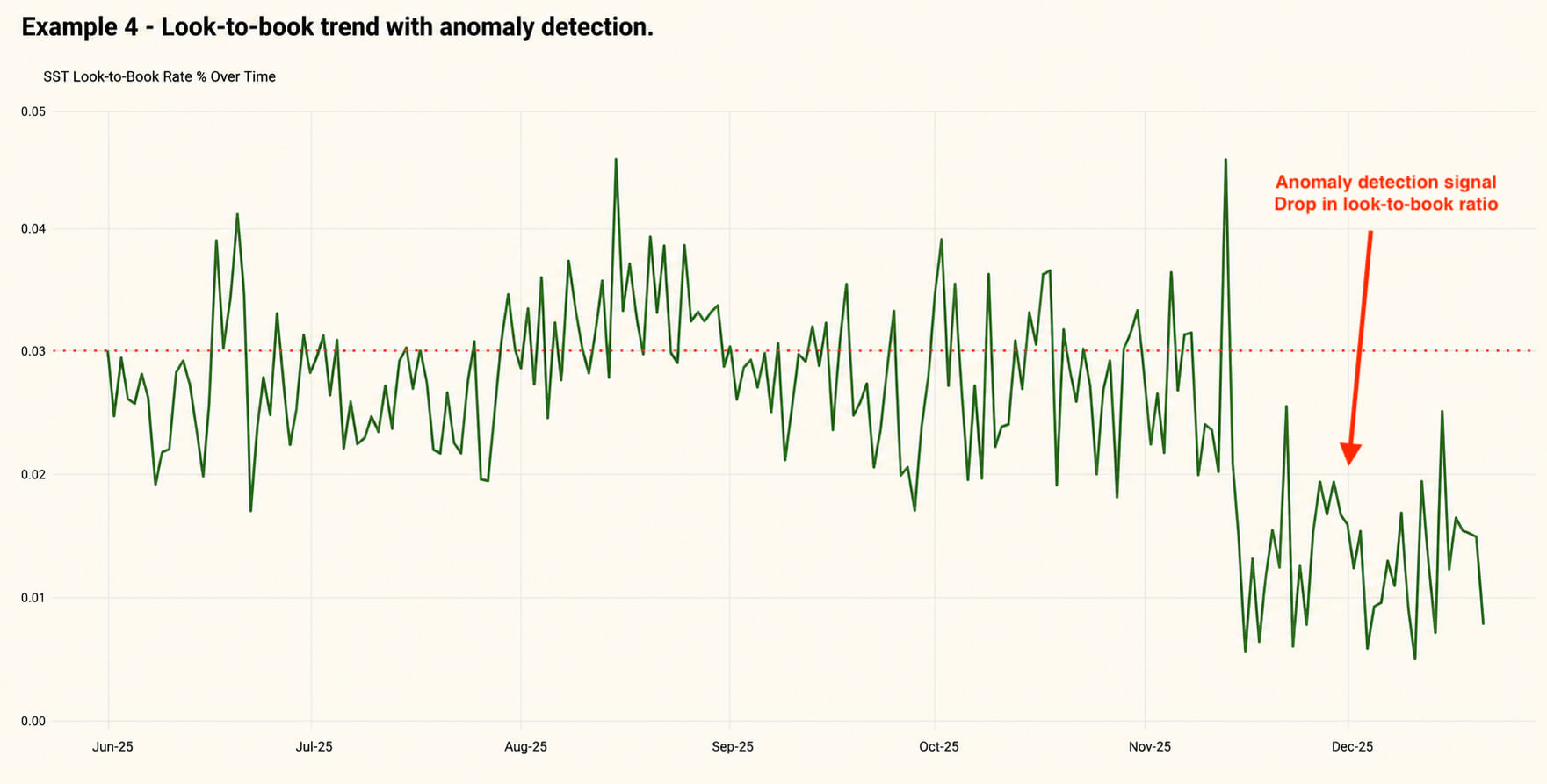
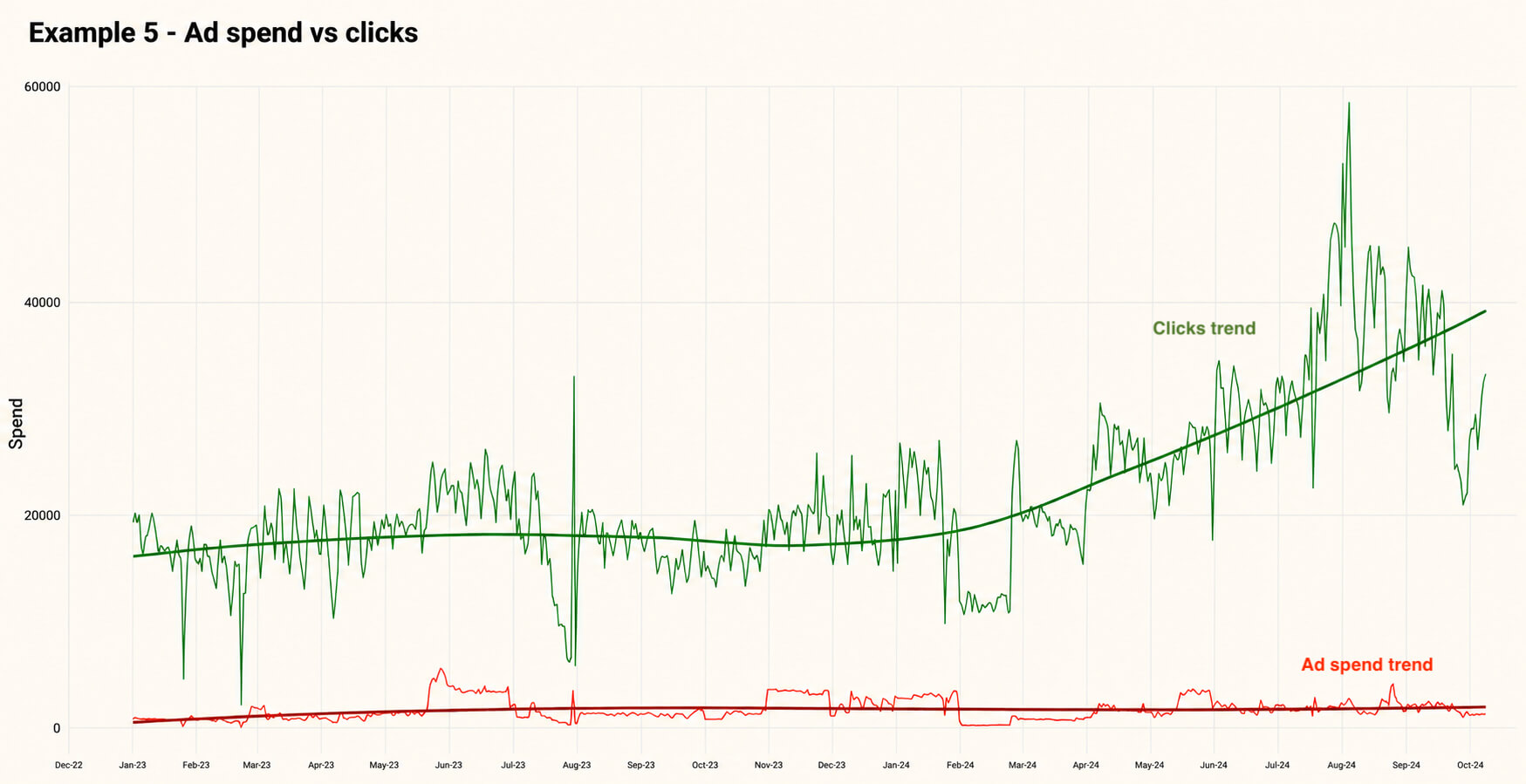
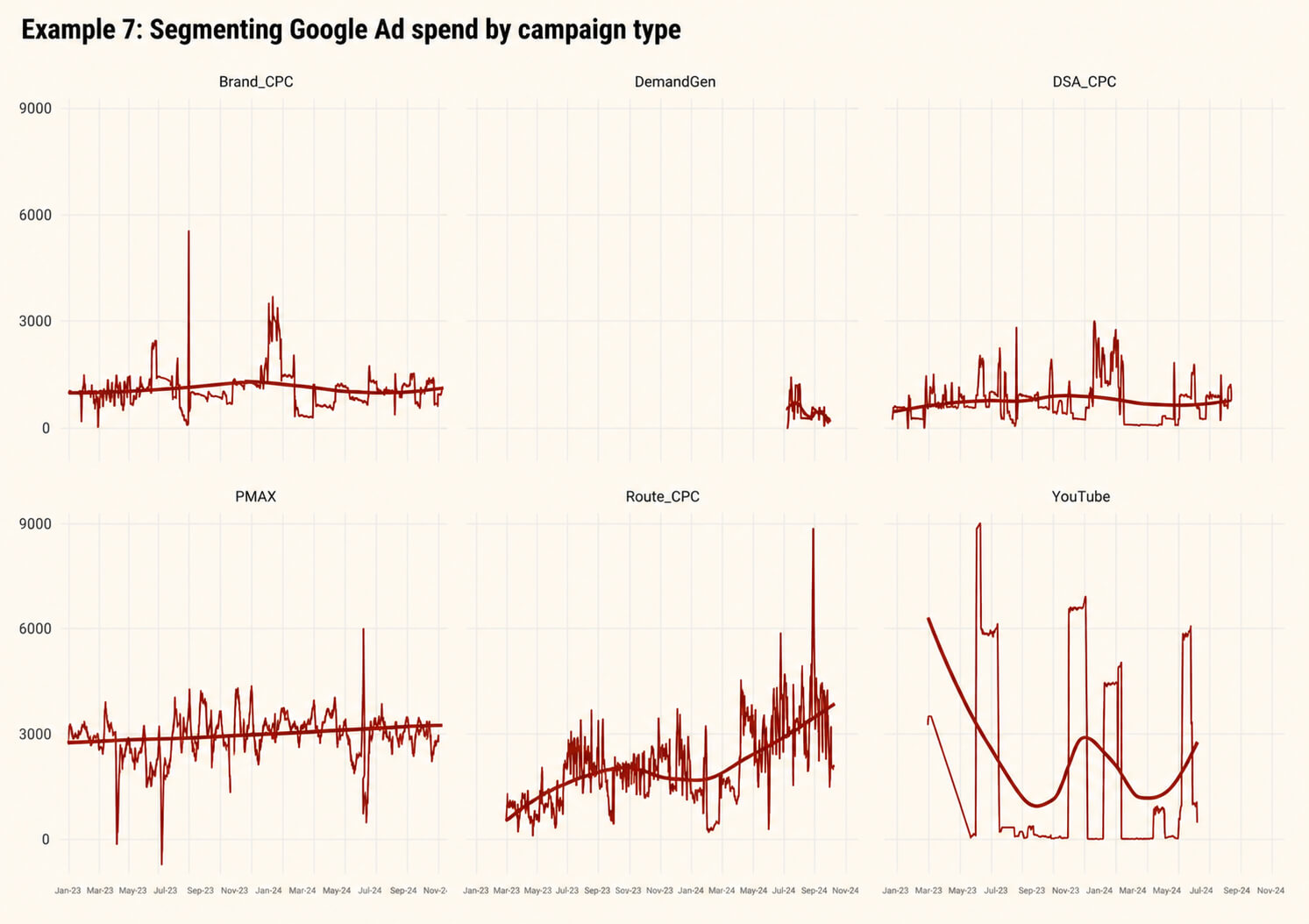
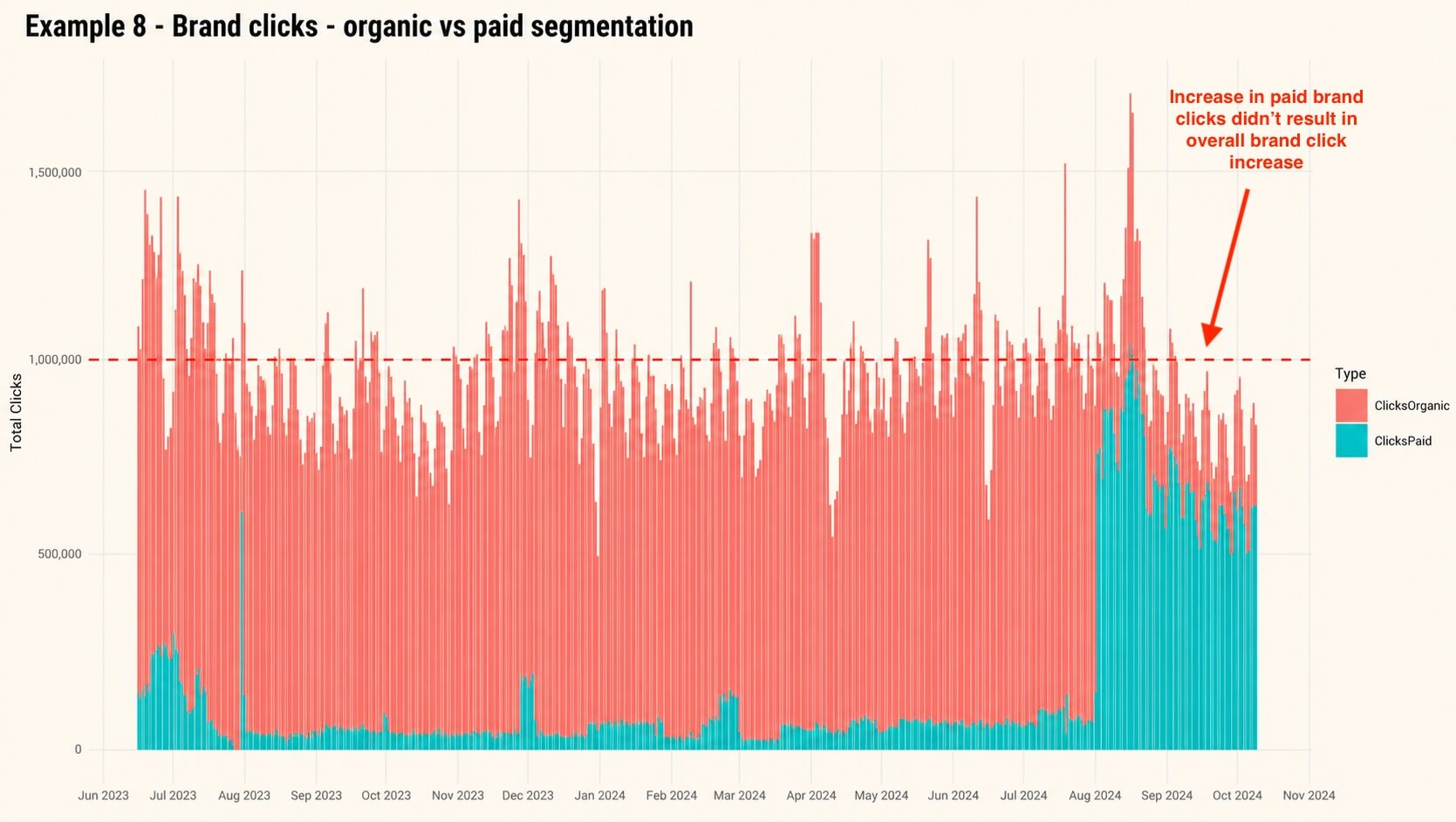
Once I understand the overall ecommerce trends, the next step is to break them down into the dimensions that matter most. Rather than jumping straight into individual campaigns, I progressively drill deeper to identify where changes are occurring and what is driving them.
Depending on the question I’m trying to answer, that might mean analysing performance by traffic channel, market, country, city, hub, device, campaign type, airline route, or any other relevant business dimension.
The examples below illustrate how high-level trends can be segmented to reveal insights that would otherwise remain hidden in aggregate reporting.
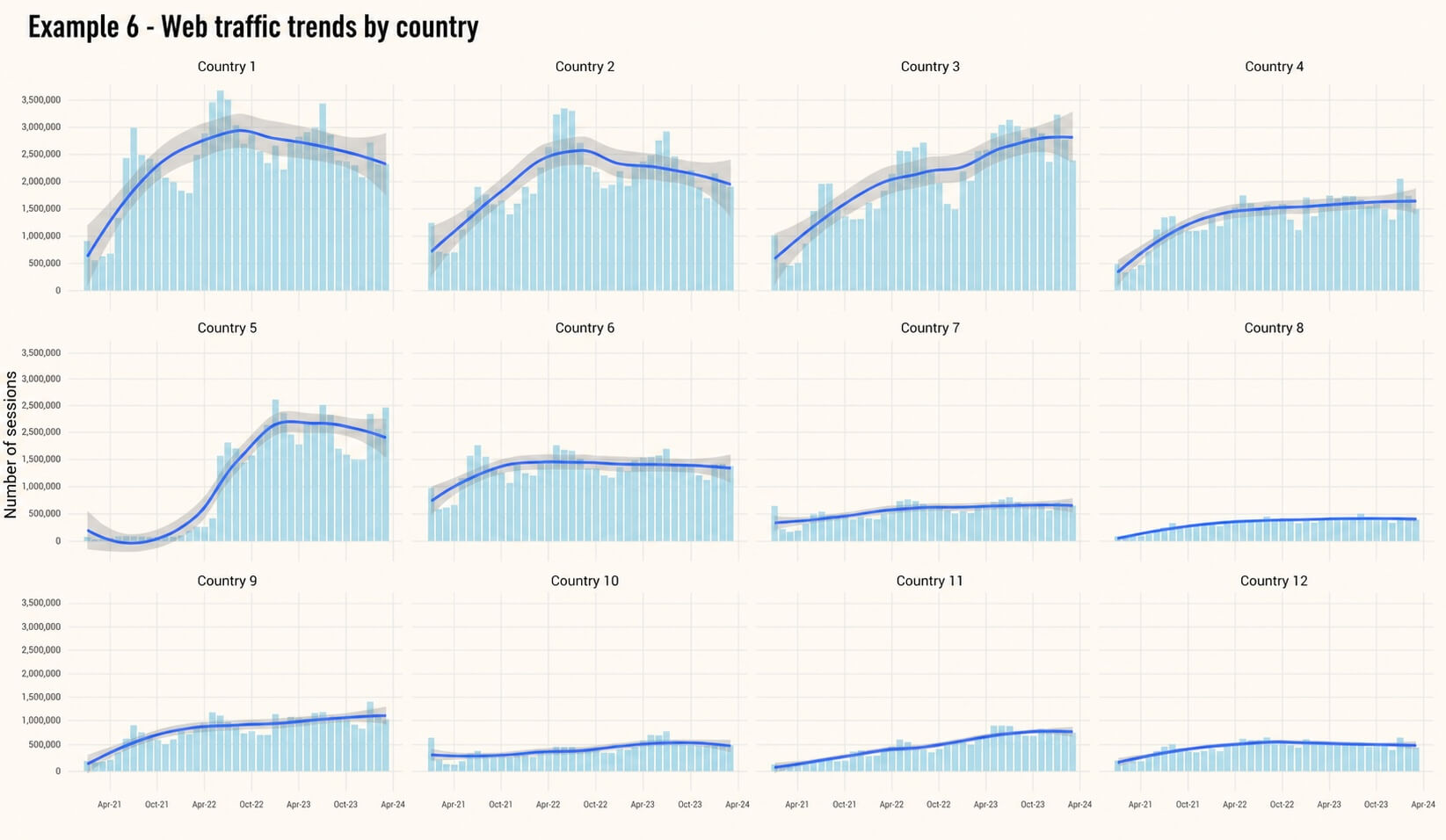
Building a joined view shouldn’t stop with marketing and e-commerce data. Some of the most valuable insights come from enriching internal performance data with external datasets that provide additional business and market context.
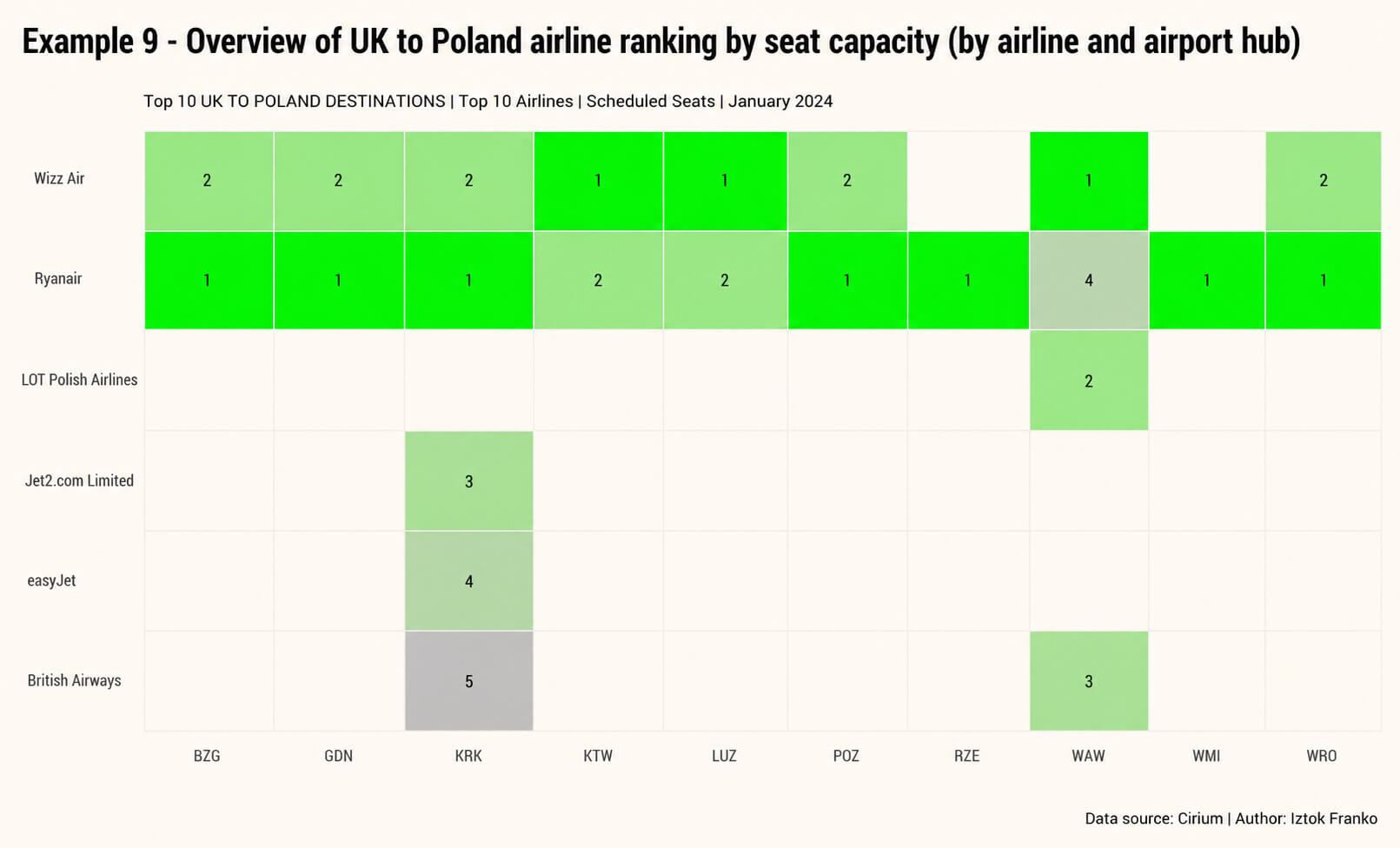
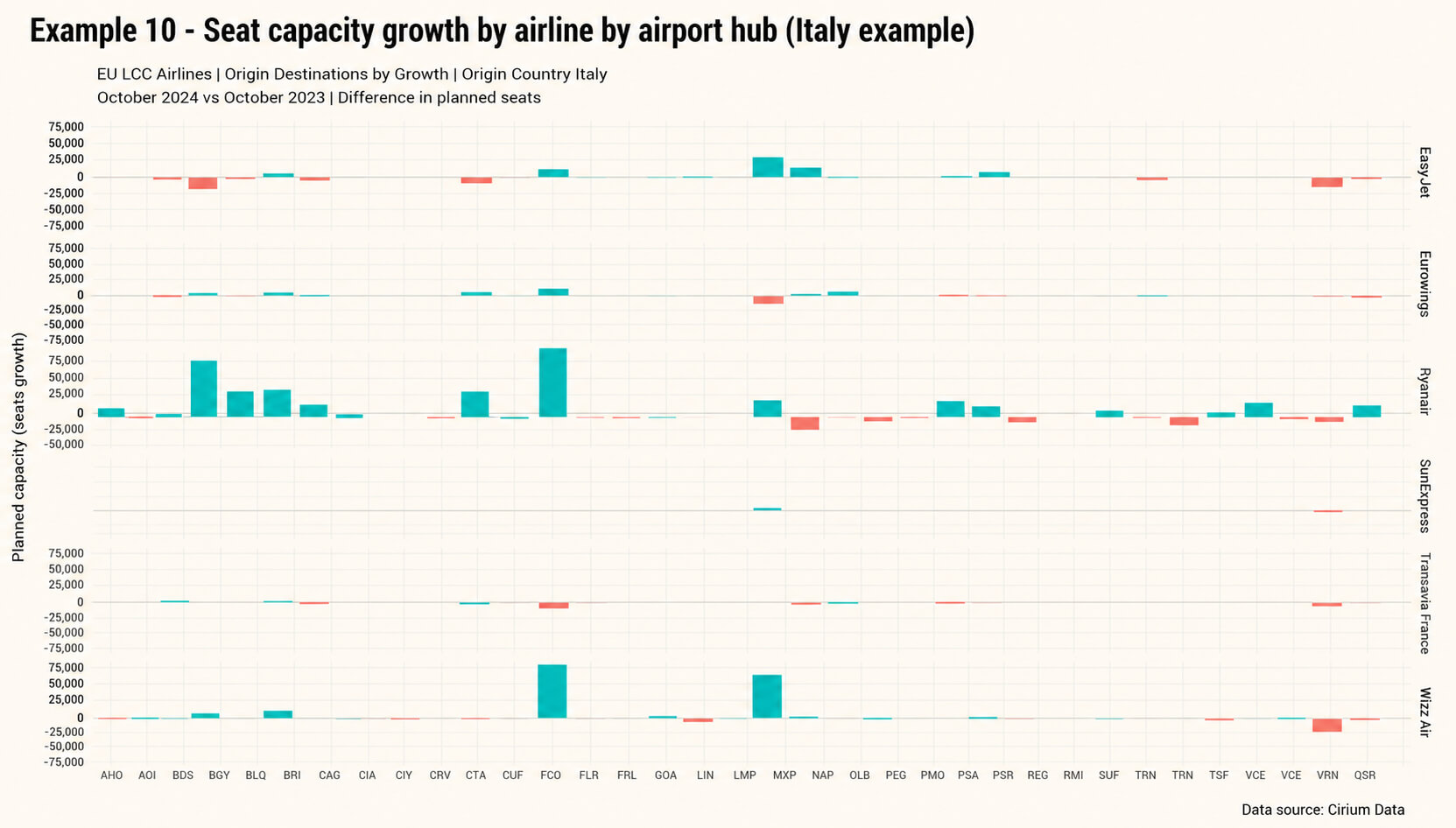
For airlines, one of the most important examples is capacity data. Understanding how available seats change over time—both for your own airline and for competitors—can completely change the interpretation of booking, traffic, and marketing performance. Other valuable external sources include search demand, fare data, macroeconomic indicators, competitor intelligence, and operational data.
The examples below illustrate how seat capacity data can provide valuable market and competitive context, helping airline e-commerce and marketing teams better understand whether changes in performance are driven by marketing efforts or by changes in market capacity.


No Comments